Get Healthy!
- Posted January 30, 2026
Stroke Survivors Are Twice As Likely To Have Another During Pregnancy, Researchers Find
Women who’ve survived a stroke need to put much thought and planning into pursuing a pregnancy, experts say.
That’s because they are more than twice as likely to suffer another stroke either during pregnancy or soon after delivery, according to a new study that will be presented at the American Stroke Association’s upcoming annual meeting.
“A common question for women is whether to risk pregnancy after a previous ischemic stroke. Our analysis found that women are at a greater risk of recurrent ischemic stroke during pregnancy and in the six weeks after giving birth, and the increased risk is not influenced by other risk factors,” said lead researcher Dr. Adnan Qureshi, a professor of neurology at the University of Missouri.
“Women who have experienced a stroke and become pregnant need additional attention to ensure they get the highest level of care to reduce their risk of another stroke,” he said in a news release.
For the study, researchers looked specifically at ischemic strokes -- strokes caused by blood clots that interrupt blood flow to the brain.
Researchers analyzed records for more than 220,000 pregnancies that took place between January 2015 and February 2025, comparing the women’s stroke risk.
Results showed that the stroke rate was 35% among expectant mothers who’d had a previous stroke, with 415 new strokes out of 1,192 pregnancies among stroke survivors.
By comparison, the stroke rate was 0.3% among women who’d never had a stroke, with 737 new strokes out of 219,287 pregnancies.
Overall, stroke survivors had 2.4 times greater odds of another stroke occurring during pregnancy or within six weeks of delivery, compared to women who’d never had a stroke, researchers found.
Obesity or a prior heart attack also increased a pregnant woman’s stroke risk, by 25% and 82%, respectively, researchers found.
“Stroke during pregnancy or the early postpartum period can have devastating long-term consequences for the mother and her family. The results of this study give us an opportunity to think about how to prevent maternal stroke among those at highest risk,” American Stroke Association spokeswoman Dr. Jennifer Lewey said in a news release. She’s director of the Penn Women’s Cardiovascular Health Program at the University of Pennsylvania.
“Women with prior ischemic stroke should receive pre-conception counseling to discuss stroke risk during pregnancy and risk reduction,” said Lewey, who was not involved in the study. “Furthermore, an interdisciplinary team of neurologists and obstetricians can develop a surveillance and treatment plan during pregnancy and the postpartum period.”
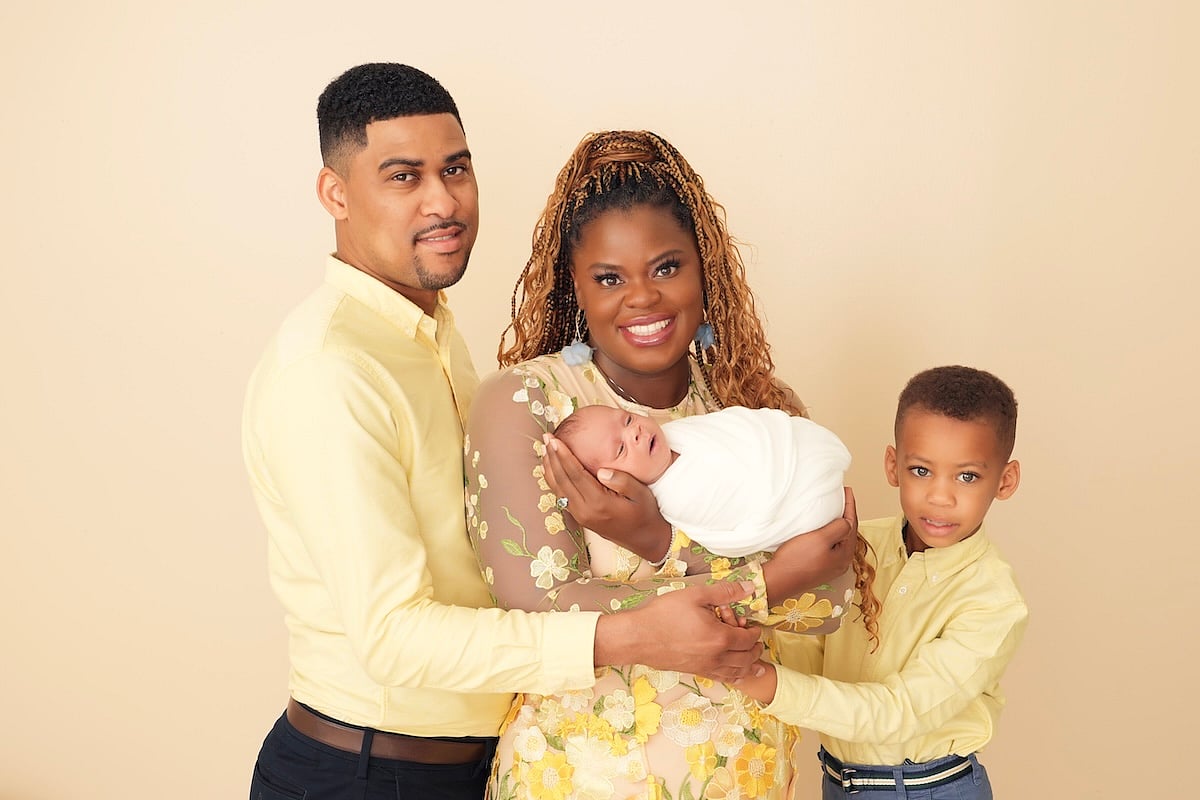
Leslie Jordan is one mom who needed such care.
Jordan was starting her law career in Charlotte, North Carolina, when she suffered an ischemic stroke shortly after giving birth to her first child in 2018.
Jordan recovered from her stroke, and became pregnant again in 2025. She worked closely with her obstetrician and neurologist to form a proactive plan that included daily blood thinner injections, baby aspirin, exercise and a diet focused on lean proteins and whole foods.
“After my stroke, I knew this pregnancy would be high risk. I focused on building a care team that understood my risks and could support me every step of the way,” Jordan, who now volunteers for the American Stroke Association, said in a news release.
She offers this advice to other female stroke survivors: “Focus on what you can control and give yourself grace. It’s possible to have a healthy pregnancy after something as scary as a stroke.”
More research is needed into specific ways of lowering stroke risk among pregnant stroke survivors, Qureshi said.
Identifying the cause of the first stroke, tracking medications during pregnancy, managing blood pressure, eating healthy and exercising regularly are proven strategies for reducing the risk of a follow-up stroke, he noted.
“Attention should be brought to the fact that this is a very high-risk pregnancy,” Qureshi said. “Women who are pregnant and with a history of stroke should be managed at health care centers that have experience with high-risk pregnancies.”
He noted that there are no clinical guidelines for managing these high-risk pregnancies.
“Hopefully, this study will promote the identification and categorization of these women in the high-risk pregnancy group so they can get a higher level of care from the beginning,” Qureshi said.
Qureshi is to present the study findings Wednesday at the ASA meeting.
Findings presented at medical meetings should be considered preliminary until published in a peer-reviewed journal.
More information
The U.S. Centers for Disease Control and Prevention has more about pregnancy and stroke.
SOURCE: American Stroke Association, news release, Jan. 29, 2026
